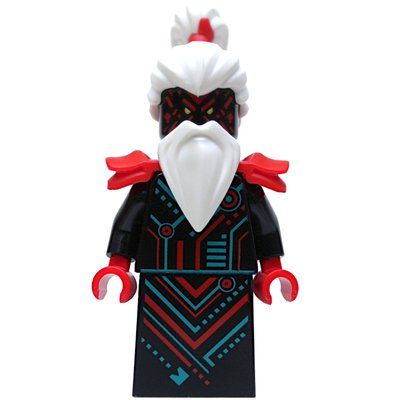
LEGO Unagami Minifigure
Specifications
| Theme | Ninjago |
|---|---|
| Known variants | 2 |
| Sets | 3 |
| First appearance | 2020 |
| Last appearance | 2020 |
| Reference | fig-002834 |
The LEGO minifigure Unagami has 2 recorded variants and appears in 3 sets, in 2020. Below you'll find each version, the boxes that contain it and the smallest set to get it.
All of these sets belong to the Ninjago theme.
One of the variants exists in only one set. The most widespread, Unagami, is found in 2 sets.
The smallest set to get Unagami
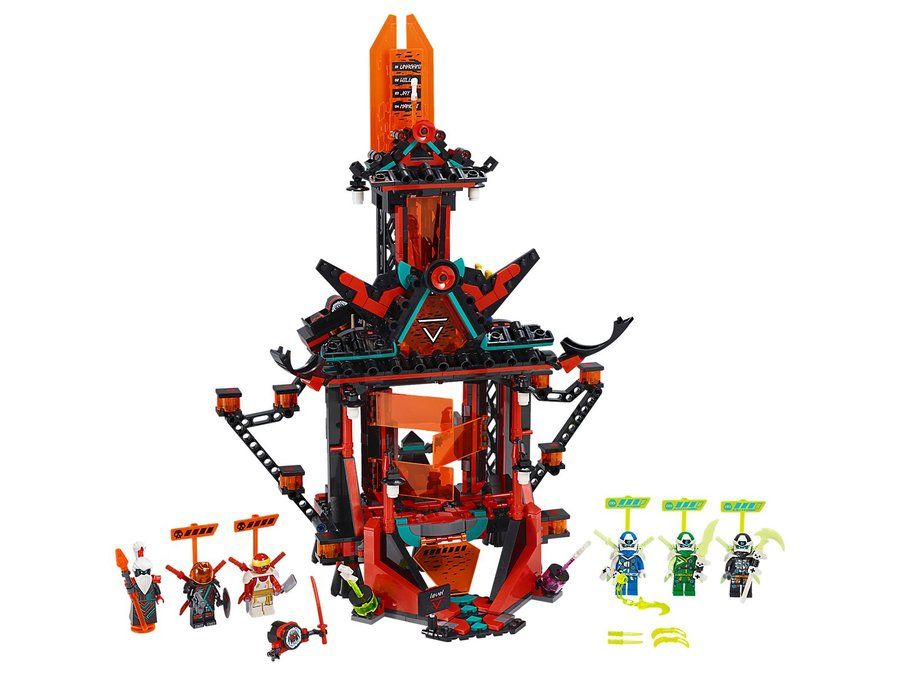
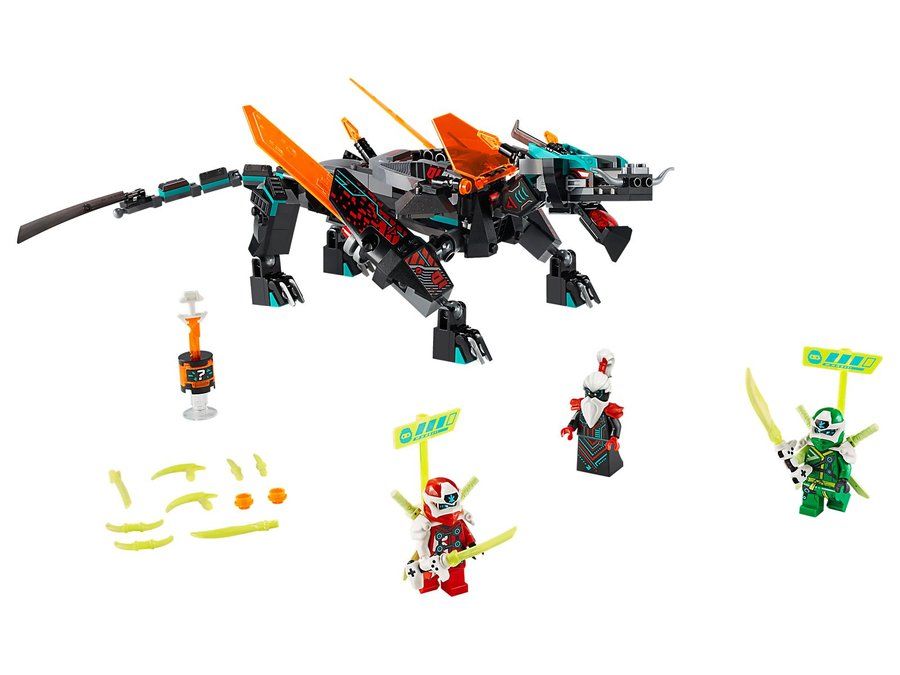
The smallest set that contains Unagami is 71713 Empire Dragon (2020): 295 pieces. At the other end of the scale, the largest, 71712 Empire Temple of Madness (2020), has 820 pieces.
| Set | Year | Pieces | Minifigs in the box |
|---|---|---|---|
| 71713 Empire Dragon | 2020 | 295 | 3 |
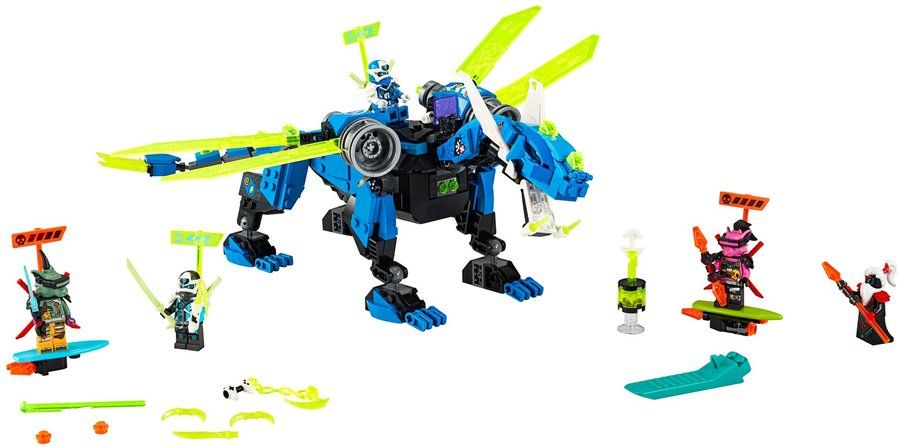
| 71711 Jay's Cyber Dragon | 2020 | 527 | 5 |
| 71712 Empire Temple of Madness | 2020 | 820 | 6 |
Characters that accompany Unagami
Characters most often found in the same boxes as Unagami, with the number of sets they share.
| Character | Shared sets | |
|---|---|---|
| Jay / Digi Jay | 2 | |
| Lloyd / Digi Lloyd | 2 |
All known variants
- Unagamifig-002834 · 2020 · In 2 sets
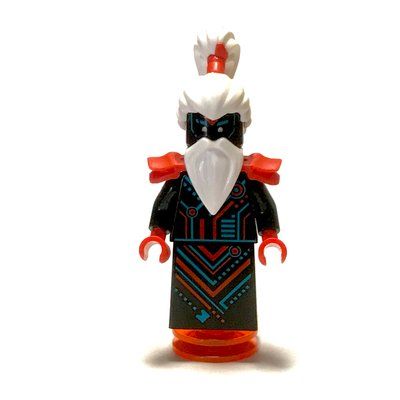 Unagami with Trans-Neon Orange Basefig-002835 · 2020 · In 1 set
Sets containing this minifigure
Frequently asked questions
How many LEGO sets include the Unagami minifigure?
The Unagami minifigure appears in 3 recorded LEGO sets, in 2020.
How many variants of the LEGO minifigure Unagami are there?
Unagami: 2 recorded variants, in 3 sets.
Which LEGO theme does Unagami belong to?
Unagami belongs to the LEGO Ninjago theme.
What is the most recent set with Unagami?
The most recent recorded set with this minifigure is 71711 Jay's Cyber Dragon (2020).
What is the smallest LEGO set with the minifigure Unagami?
71713 Empire Dragon (2020): 295 pieces. It is the smallest of all the sets that contain Unagami.
What is the most widespread variant of Unagami?
Unagami (fig-002834), found in 2 sets.
Which characters most often accompany Unagami?
Jay / Digi Jay and Lloyd / Digi Lloyd, based on the sets where they appear together.