LEGO Building Instructions: How to Find Any Set's Manual
Find the building instructions for any LEGO set, old or new, from its number: where to read them, download them as a PDF, and how to identify a set without its box
Find the building instructions for any LEGO set, old or new, from its number: where to read them, download them as a PDF, and how to identify a set without its box
 LEGO 75192 Millennium Falcon
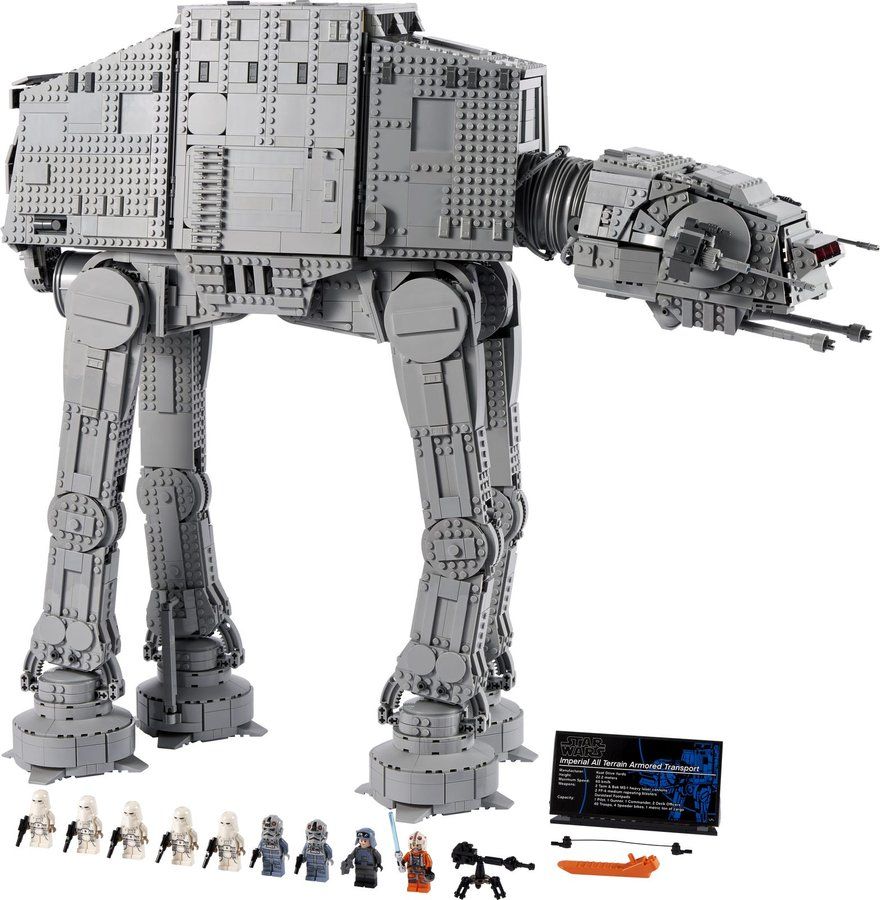 LEGO 75313 AT-AT
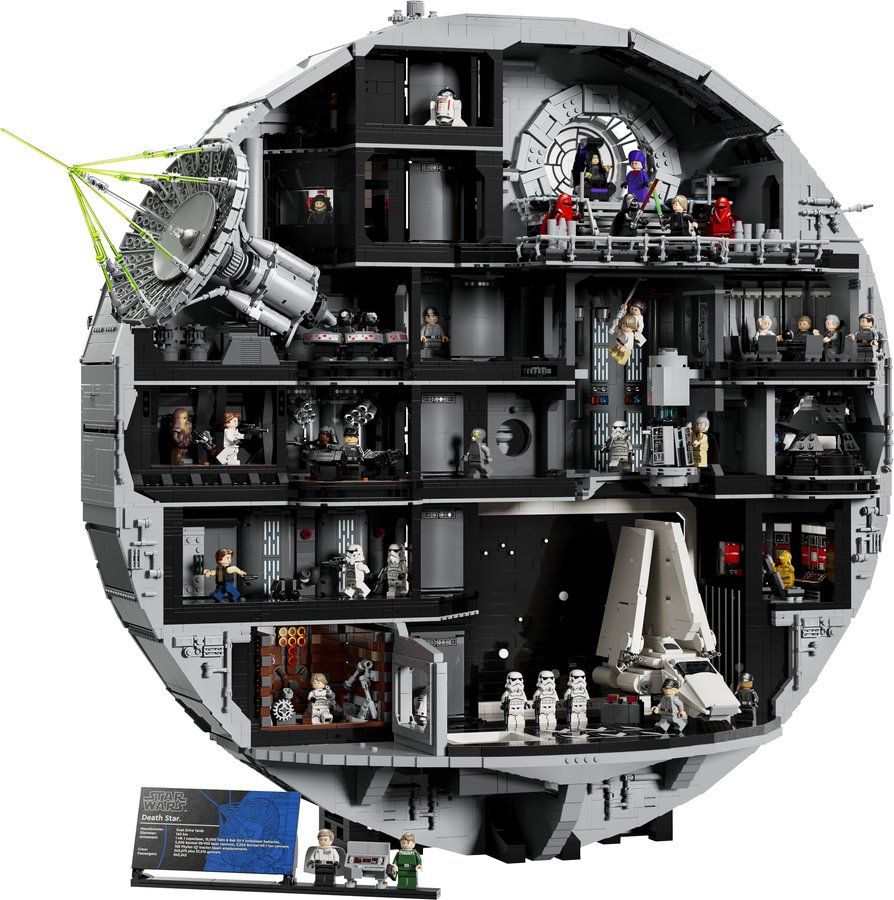 LEGO 75419 Death Star
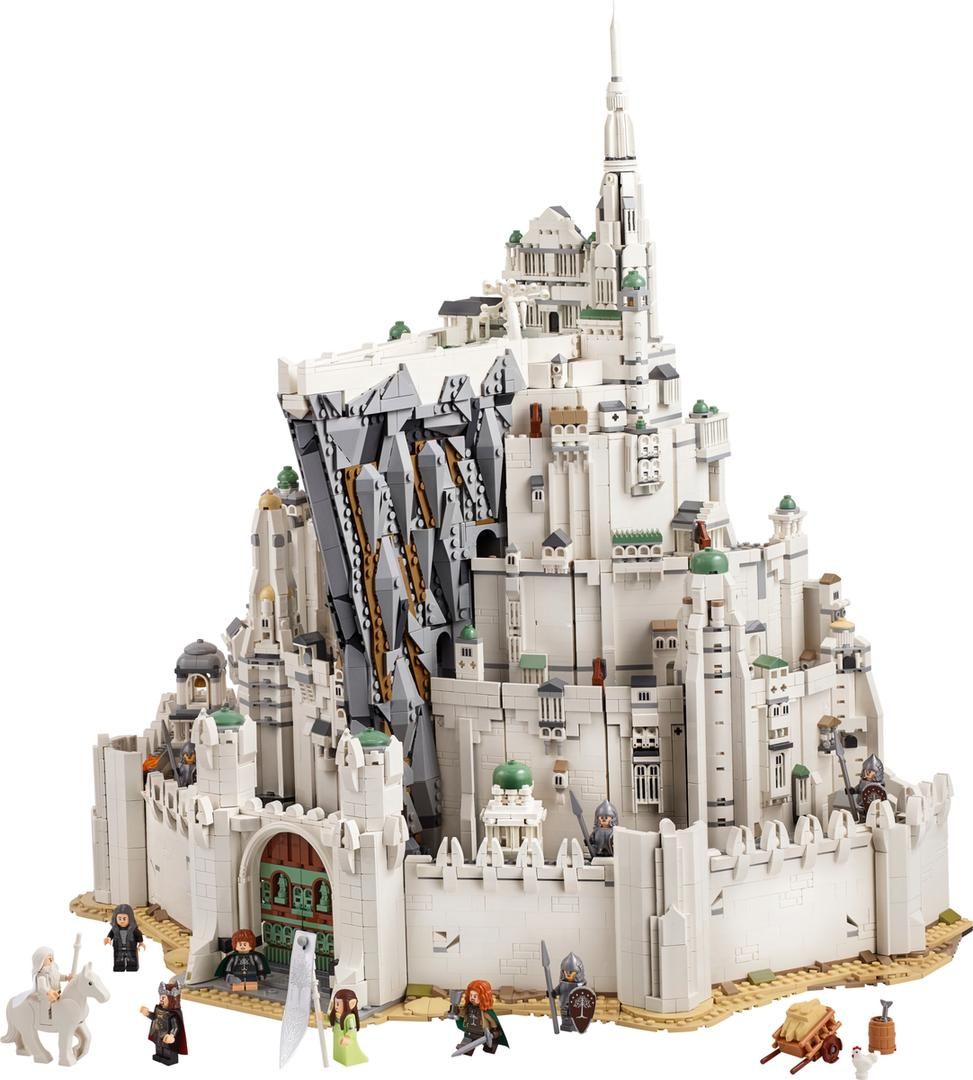 LEGO 11377 The Lord of the Rings: Minas Tirith
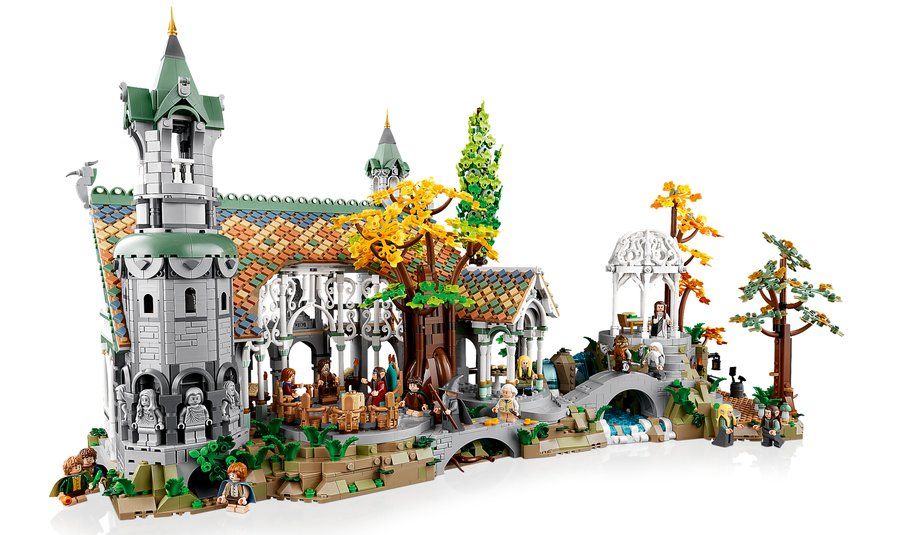 LEGO 10316 Lord of the Rings: Rivendell
 LEGO 71043 Hogwarts Castle
The Set Number: The Only Reliable Key to Finding a Manual
A set's name gets translated differently from country to country, and a box can be reissued with a different visual over the years, but the set number itself never changes. It's the only piece of information you need to find a building manual: four or five digits that uniquely identify a LEGO set, regardless of release year or box language. The LEGO 75192 Millennium Falcon, released in 2017 with 7541 pieces, remains identifiable by this number years after it left store shelves, even though its name and visuals may have been reused elsewhere.
Setobrick catalogs 10364 sets spread across 137 themes, from the oldest released in 1995 to sets planned for 2026. With such a large catalog, similar or identical names inevitably crop up from one theme to another, from one year to another. Without the exact number, there's no way to know for certain which manual you're looking for.
Where to Find the Set Number: Box, Manual, Bags
On the Box
The number usually appears in small print near the barcode, on the back or side of the box, often alongside the piece count and recommended age. On some models it also appears near the title on the front cover, particularly when the box highlights several versions or variants of the same theme.
On the Manual Itself
If the box is gone but the paper manual survived, the number appears at the bottom of the first page, as a string of digits followed, for larger sets, by a booklet indicator (1 of 3, 2 of 3, and so on). Large sets, such as the LEGO 75313 AT-AT, frequently come with several separate manuals, each repeating the same set number in the header.
On the Numbered Bags
Each bag of pieces also carries a printed number, usually in the bottom right corner: a bag number (1, 2, 3...) paired with the full set number. This is often the last usable clue when the box and manual are gone but a few unopened bags are still sitting in a drawer.
The Official LEGO Building Instructions PDF Service
Once you have the number, LEGO provides an official building instructions lookup service that lets you download the complete manual as a PDF directly from the set number, page by page, exactly as it was originally printed.
This official service covers the vast majority of sets still on sale and a good part of the historical catalog, but not all of it: some very old sets or ones produced in limited quantities, such as event exclusives, aren't always listed. When a number returns no results, it's worth double checking it on the box or the bags: a single digit error is enough to make the search fail.
Setobrick doesn't republish these manuals, but every set page links directly to the official service for the number in question, so there's no need to retype the digits into a general search engine. For a recent set, it's also worth checking that the number entered matches the exact version you're looking for: two editions of the same theme, released in different years, can share a very similar name while having a completely different number and manual.
Identifying a Set Without Its Box, From the Pieces
An inherited batch of LEGO, bought secondhand or found at the back of a closet, doesn't always still have its original packaging. To trace it back to the set number in this case, several clues can help narrow down the search even before checking an online service.
The included minifigures are often the quickest clue: a face, an accessory, or a specific color combination usually points to a fairly narrow theme and release period. Browsing the minifigure catalog makes it possible to spot a similar character and, step by step, trace it back to the original set.
The pieces themselves also carry clues: most elements molded since the 2000s display a small mold number on their inner face. This number doesn't correspond to the set number, but it helps place a piece in time and, cross referenced with its color, the model's size, or the assumed theme (vehicle, castle, spaceship), narrows the search down to a handful of candidate sets. For a mechanical model, comparing the chassis structure with known sets from LEGO Technic Sets: The Complete List, which includes 439 sets, helps target the right range before checking the exact number.
The piece count of the batch, once counted or estimated, is also a useful filter: a batch of several thousand pieces points toward very large models, while a batch of a few hundred matches the vast majority of the catalog, where the average sits at 385 pieces per set.
Older Sets: A Manual That's Not Always Available
For sets released in the 1990s or in the very early 2000s, the official service doesn't always return a result. Setobrick lists sets going back to 1995, and for part of this older catalog, the scanned manual simply doesn't exist in the online archives.
In that case, there are two complementary options. First, check the manuals sorted by year hub to pinpoint the set's exact release context and spot similar sets from the same period. Second, turn to collector communities, who have long been scanning and sharing paper manuals that can't be found anywhere else. The set number remains, here too, the essential starting point for any search, including with these communities. A 1990s set kept in good condition, original bags included, generally keeps its number perfectly legible: it's often the only piece of information that has survived the decades without fading.
What a Setobrick Set Page Shows
Every set page on Setobrick brings together the information needed to find the right manual without ambiguity: the set number, release year, piece count, and the theme it belongs to, along with a direct link to the corresponding official manual. A few examples from the catalog:
| Set | Year | Pieces | Page |
|---|---|---|---|
| LEGO 75419 L'Étoile de la Mort | 2025 | 9031 | View set |
| LEGO 11377 Minas Tirith | 2026 | 8278 | View set |
| LEGO 10316 Rivendell | 2023 | 6181 | View set |
| LEGO 71043 Château de Poudlard | 2018 | 6020 | View set |
| LEGO 76269 Avengers Tower | 2023 | 5202 | View set |
The highest piece count listed on the site reaches 11695 pieces, which gives an idea of the scope of the catalog covered, from small polybags to display models. Beyond the big classics, the site also organizes the catalog by range: the 85 sets in the LEGO Icons Sets: The Complete List collection, the 63 LEGO Architecture Sets: The Complete List sets, the 50 LEGO Botanicals Sets: The Complete List sets, the 24 LEGO Art Sets: The Complete List sets, and even the 89 LEGO Ideas and CUUSOO Sets: The Complete List sets can all be browsed from the theme hub. Finding a set number by starting from the theme rather than the exact name is often faster when the name could be confused between several editions.
In practice, the method stays the same no matter the set: find the number on the box, the manual, or the bags, check it against a Setobrick page or directly on the official service, then download the manual as a PDF. It's the only approach that works reliably, whether the set is from 1995 or 2026.
The Setobrick Guides
Four guides to make the most of the catalogue: choosing a set as an adult, finding a building instructions manual, checking a second-hand lot and reading the ranking of the largest sets.
LEGO for AdultsBuying used LEGOThe Biggest LEGO Sets by Piece Count
Frequently Asked Questions
How can I find a LEGO set's number if I no longer have the box?
Start by checking any remaining bags of pieces, which usually have the set number printed in the bottom right corner. If no bags were kept, the included minifigures or the model's structure can often narrow the search down to a theme and period, before confirming the exact number via a set page or the official instructions service.
Does the official LEGO service offer every manual, even the oldest ones?
No. The service covers most of the current catalog and a large share of the historical one, but some older sets or ones produced in limited quantities aren't always listed. For a set released in the 1990s, the manual may simply not have been scanned. In that case, locating the set by release year helps point the search elsewhere.
Is the manual number always the same as the set number?
The set number stays the same throughout the product's lifetime, but a manual can be split into several numbered booklets (1 of 3, 2 of 3...) for larger sets. Each booklet repeats the full set number in its header, which makes it possible to confirm you're downloading the right version, even when it's spread across several separate parts.
How can I find out how many pieces a set has without its manual?
The piece count appears on the set page once its number has been identified, alongside the release year and theme. Without a number, counting the pieces in a batch gives a rough idea: the average across the catalog listed by Setobrick is 385 pieces, far from the largest models, which exceed several thousand pieces.
Do digital manuals really replace lost paper manuals?
Yes: the PDF manual provided by the official service includes every page of the original paper manual, in the same order. It can be viewed on screen or printed, making it equivalent to the version included in the box at purchase, as long as the set in question is actually in the service's archives.
Is a Setobrick page enough to find a set's manual?
Yes, for the most part: every page shows the set number, year, piece count, and a link to the corresponding official manual, so there's no need to retype the number by hand. It's still worth checking that number against the one printed on the box or bags if you're unsure of the exact edition.