Buying used LEGO: checking a lot before you pay
Before paying for a used LEGO set or bulk lot, a few simple checks can save you from unpleasant surprises: set number, completeness, part condition and whether the listing matches the official specs
Before paying for a used LEGO set or bulk lot, a few simple checks can save you from unpleasant surprises: set number, completeness, part condition and whether the listing matches the official specs
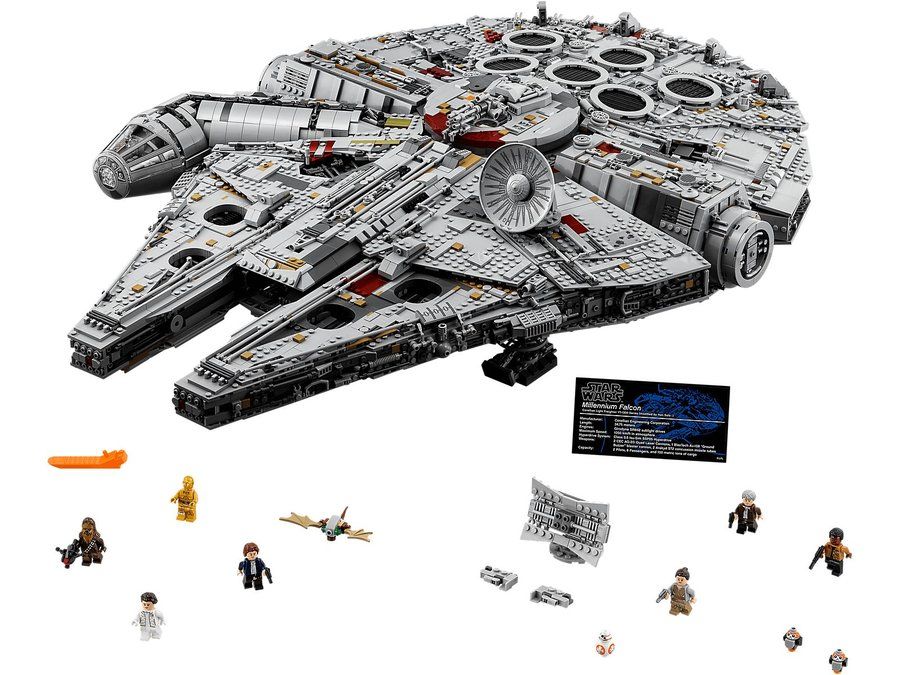 LEGO 75192 Millennium Falcon
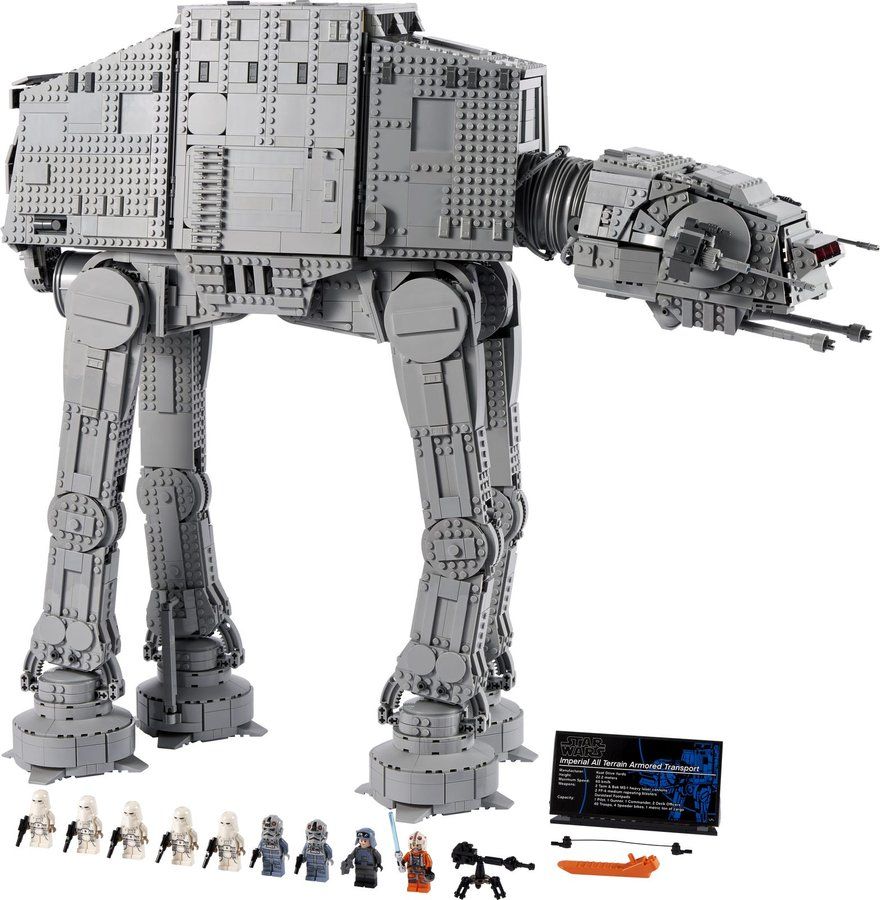 LEGO 75313 AT-AT
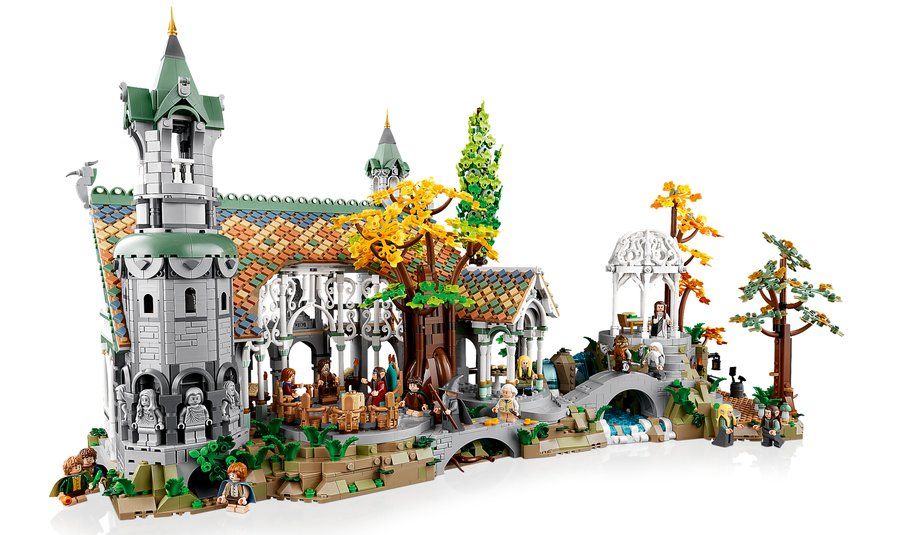 LEGO 10316 Lord of the Rings: Rivendell
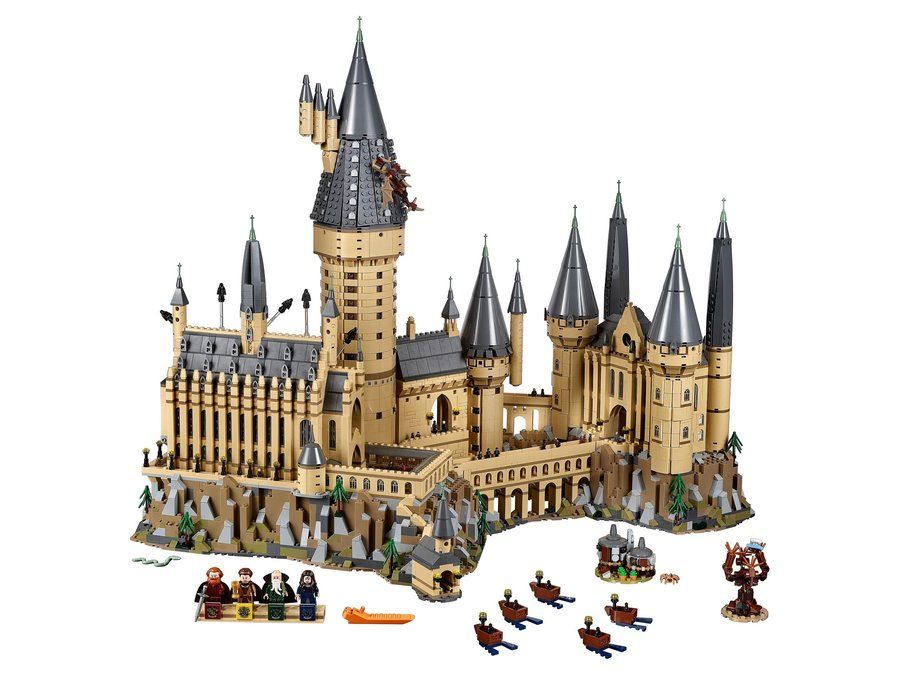 LEGO 71043 Hogwarts Castle
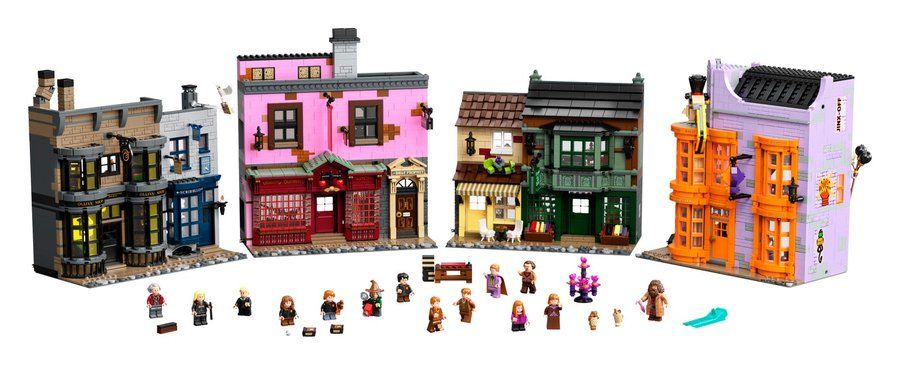 LEGO 75978 Diagon Alley
 LEGO 76269 Avengers Tower
The three questions to ask the seller before buying
A used LEGO set is rarely sold with a piece-by-piece inventory. The listing usually consists of a few photos and a title, sometimes vague on the essentials. Before making any payment, three questions let you find out exactly what is being offered.
- What is the set number? This four or five digit number, visible on the box or on a printed part, points to a precise spec sheet with the piece count, the number of minifigures and the release year. Without this number, there is no way to verify anything: always ask for it, even for a lot sold without a box.
- Is the set complete? "Complete" is a notion each seller interprets in their own way. Ask whether the lot was checked piece by piece or simply reassembled and inspected visually, and whether any elements were identified as missing or replaced with parts from another source.
- Are the instructions and minifigures included? The paper instructions make it easier to check completeness while building. Minifigures, on the other hand, are easily resold and lost separately: the number stated should be compared to the official set spec, available on Setobrick's minifigures hub.
How to check a listing against the set's spec sheet
Setobrick lists 10 364 sets across 137 themes, from the smallest polybag to the model that tops out at 11 695 pieces in the catalog. Each spec sheet shows the official piece count, minifigure count and release year, three figures that serve as a basis for comparison against a used listing.
The method is simple: once the set number is identified, open its spec sheet and check three figures against what the listing says. If the seller describes a "complete" set with a piece or minifigure count lower than the official spec, something is missing, even if the lot looks whole at a glance. Conversely, a minifigure count higher than the original often signals that elements from another set have been added, which is not a problem in itself but should be stated in the listing.
The release year matters too: a seller who dates their lot to a year different from the official spec may simply be mistaken, but the discrepancy is worth checking on the years hub. The table below illustrates, for a few sets with a high piece count, the gap that can exist between the number of minifigures and the number of pieces from one model to another.
| Set | Year | Pieces (spec) | Minifigures (spec) |
|---|---|---|---|
| LEGO 75192 Millennium Falcon | 2017 | 7541 | 9 |
| LEGO 75313 AT-AT | 2021 | 6785 | 9 |
| LEGO 10316 Lord of the Rings: Rivendell | 2023 | 6181 | 19 |
| LEGO 71043 Hogwarts Castle | 2018 | 6020 | 4 |
| LEGO 75978 Diagon Alley | 2020 | 5548 | 17 |
| LEGO 76269 Avengers Tower | 2023 | 5202 | 28 |
These gaps, from 4 minifigures for Hogwarts Castle to 28 for Avengers Tower, show that there is no universal ratio between a set's piece count and its minifigure count: each spec sheet should be checked individually rather than applying a rough rule of thumb.
Bulk LEGO by weight: what to reasonably expect
Bulk LEGO sold by weight is a category of its own. It does not correspond to any specific set, comes with no instructions, and is not inventoried by the seller in any way: there is therefore no way to compare it against a spec sheet the way you would with a complete set. What you typically find is a mix of basic bricks and elements common to many themes, with a small proportion of specialized parts (windscreens, fins, printed pieces) and minifigures.
To give a sense of scale, a set listed on Setobrick averages 385 pieces across all themes, from the minimalism of the LEGO Architecture Sets: The Complete List range to the large LEGO Technic Sets: The Complete List models. A bulk lot by weight has no reason to follow this average or this diversity: it can be very rich in basic rectangular bricks and poor in technical parts, or the opposite, depending on its origin. A buyer of a bulk lot should therefore assume they are buying raw material to build freely, not a set that can be reassembled, and that no instructions will come along to confirm the completeness of any particular model.
Minifigures found in a bulk lot are often mismatched: one character's torso, another's legs, a head with no accessory. It is reasonable to ask the seller whether the lot contains identifiable minifigures and, if so, how many, without expecting them to match a specific set.
Part condition: yellowing, stickers, and what can be replaced
Sets listed on Setobrick span a period from 1995 to 2026: the older a piece is, the more it may have been exposed to light, which causes irreversible yellowing of white and light grey plastics (a chemical reaction linked to the flame retardants used in ABS decades ago). This yellowing cannot be reliably treated at home: you need to accept it as a characteristic of the lot or exclude it from the purchase if color consistency matters for the project.
Stickers pose a different kind of problem: they wear out, peel at the edges, or disappear over time, unlike factory-printed elements, which hold up better. An older set with its original stickers in good condition, free of bubbles or tears, is a sign of careful upkeep by the previous owner. Conversely, missing or badly damaged stickers do not prevent you from enjoying the set, but they affect its finished look.
What is easy to replace: missing instructions, often available in digital form, a damaged box that does not affect assembly, or a single minifigure that can be sought separately once identified on the minifigures hub. What cannot be replaced without buying the original part: a specific element found nowhere else, a mold color unique to a particular set, or a broken piece that cannot be repaired.
The most common pitfalls to avoid
Three situations come up regularly in used LEGO listings.
- The catalog photo instead of a real photo. An official image of the set, taken from the box or from a retailer's website, shows nothing about the actual condition of the lot being offered. Always ask for photos taken by the seller themselves, including parts taken out of their bags.
- An incomplete set sold as complete. This is the most frequent case, often unintentional: the seller believes their lot is complete because they never recounted the pieces after taking it apart. Comparing against the set's spec sheet, as described above, remains the best protection.
- Counterfeits on high-value sets. The most sought-after models, large ships from the LEGO Icons Sets: The Complete List range or bulky display sets, are the most copied. A box that does not exactly match the official artwork, plastic with an unusual smell or texture, or a complete absence of any printed LEGO element on the pieces are signals to take seriously before finalizing a purchase.
In every case, cross-checking the set number, piece count and minifigure count against its spec sheet remains the habit that avoids most unpleasant surprises, whether the purchase involves a complete set or a bulk lot. Setobrick's full catalog, organized by themes and by years, makes it possible to find the matching spec sheet before responding to a listing.
The Setobrick Guides
Four guides to make the most of the catalogue: choosing a set as an adult, finding a building instructions manual, checking a second-hand lot and reading the ranking of the largest sets.
LEGO for AdultsLEGO Building InstructionsThe Biggest LEGO Sets by Piece Count
Frequently Asked Questions
How can you tell if a used LEGO set is complete before buying it?
The most reliable method is to identify the set number, check its spec sheet for the original piece and minifigure counts, then ask the seller whether the lot was recounted piece by piece. A lot that was simply reassembled and inspected visually, without a detailed check, guarantees nothing about the presence of every piece, even the smallest ones.
What should you do if the set's instructions or box are missing?
A missing box does not stop you from enjoying the set once it is built, and missing paper instructions can generally be replaced with a digital version. Missing instructions, however, make it harder to verify completeness while building: ask the seller whether they tested the full build before treating the lot as reliable.
Is bulk LEGO sold by weight a good deal?
It depends on what you're looking for. A bulk lot does not correspond to any specific set, comes with no instructions or inventory, and generally mixes basic bricks with few specialized parts or complete minifigures. It works well for free building or gathering common elements, but not for reassembling a particular model.
How can you spot a LEGO counterfeit?
The most telling signs are a complete absence of any LEGO marking on the pieces (the logo normally appears on the studs), a box that differs from the official artwork, an unusual plastic smell, or an abnormally loose fit between bricks. Bulky display sets, being more sought after, are the most frequently copied.
Can yellowed LEGO pieces be restored to their original color?
No, yellowing of white or light grey plastic is an irreversible chemical reaction caused by exposure to light over the years. There is no reliable at-home method to undo it permanently. It is better to treat this tint as a characteristic of the used lot than to try to correct it.